
Halifax 2026 Siding trends
Here are some siding and exterior design trends that are showing up in Halifax and around Nova Scotia based on recent data & local examples — plus ideas of how you might apply them.
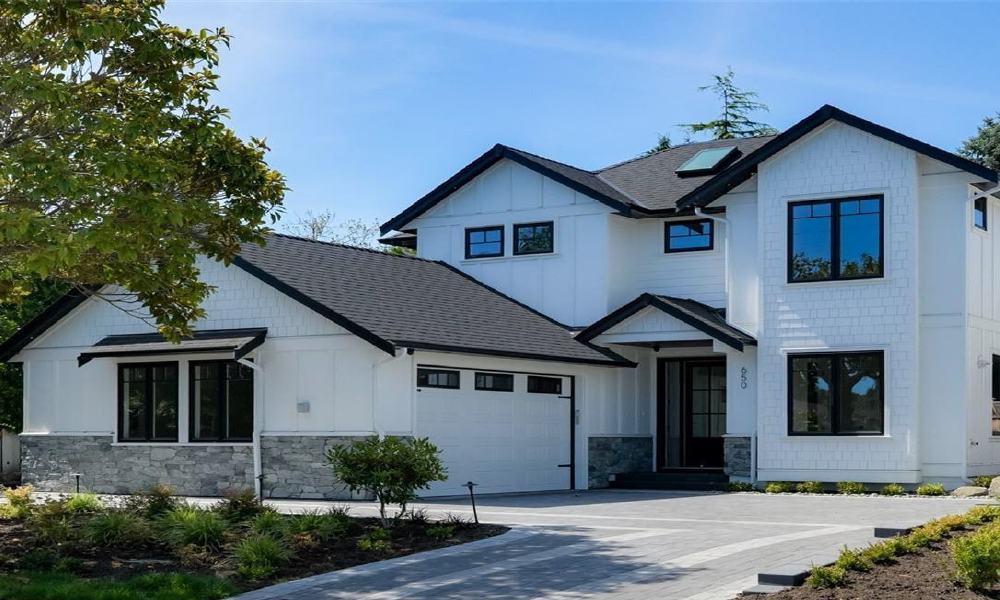
Example of mixed siding materials & textures
Mixed Siding Materials & Textures
Homes are increasingly using combinations like wood, stone (or stone veneer), fiber cement, cedar, and metal accents to add depth and interest. Halifax homeowners are blending traditional materials with more modern ones to echo the maritime and heritage style.
Example: A house might have Hardie plank or lap siding on most walls and cedar shingles or board-and-batten accents in gables or porches. Ideal Siding in Halifax lists multiple material options (vinyl, cedar, aluminum, fibre cement).
Warm Naturals & Earthy Tones Siding
Colors like warm neutrals (greige, soft beige, creamy off-whites), muted greens (sage, olive), and clay/terracotta tones are becoming more popular. These pair nicely with coastal light, weathered textures, and landscaping.
Halifax locals seem to lean toward tones that feel both timeless and rugged enough to handle salt air, wind, and precipitation. With trim or accent colours being bolder (charcoal, black, or deep blues) to contrast.
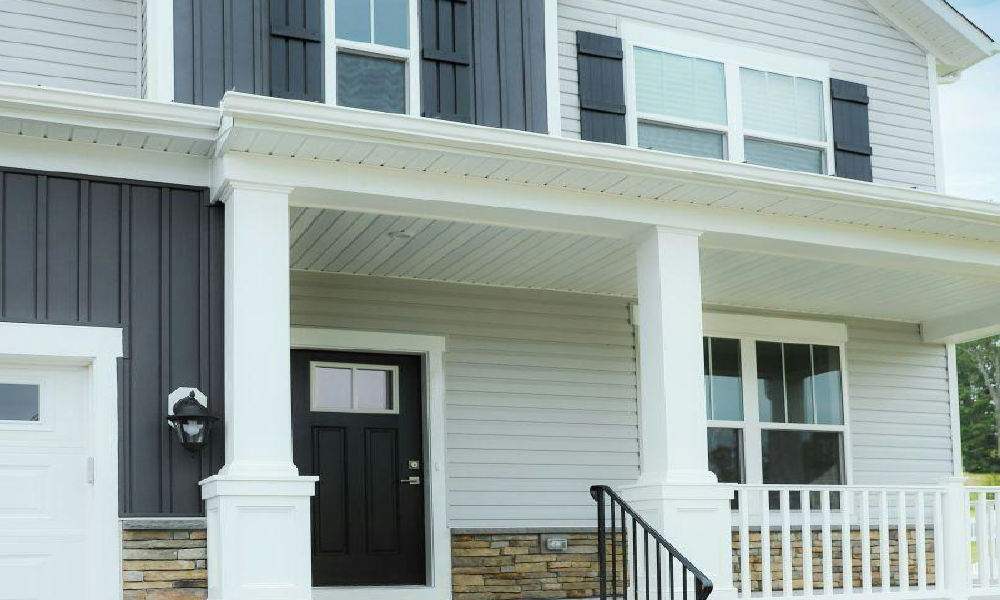
Warm naturals & earthy tones siding example
Dark / Moody Colours & High Contrast Siding
Deep charcoal, very dark grays, even soft black or black accents are being used for trim, windows, or even full façades. Paired with lighter siding materials, these darker elements help architectural features pop.
Accent elements like window trim, shutters, or doors are often painted in dark colours to contrast with lighter siding.
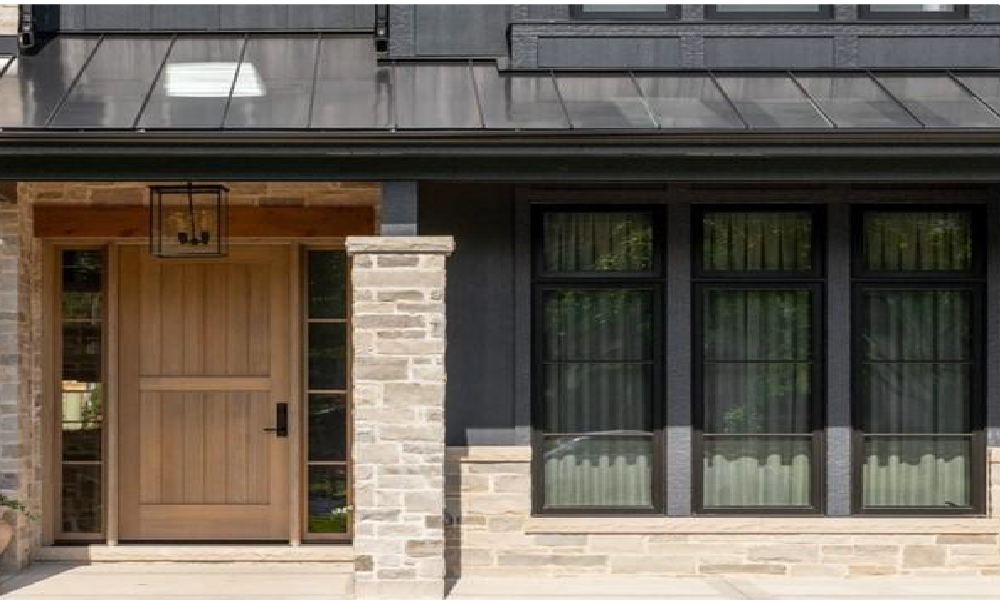
Dark and moody colours & high contrast siding example
Soft Whites and Creams Over Stark White Siding
Rather than very bright white, softer, warmer whites and creams are trending. These shades feel more welcoming and are more forgiving in Halifax’s light and weather conditions.
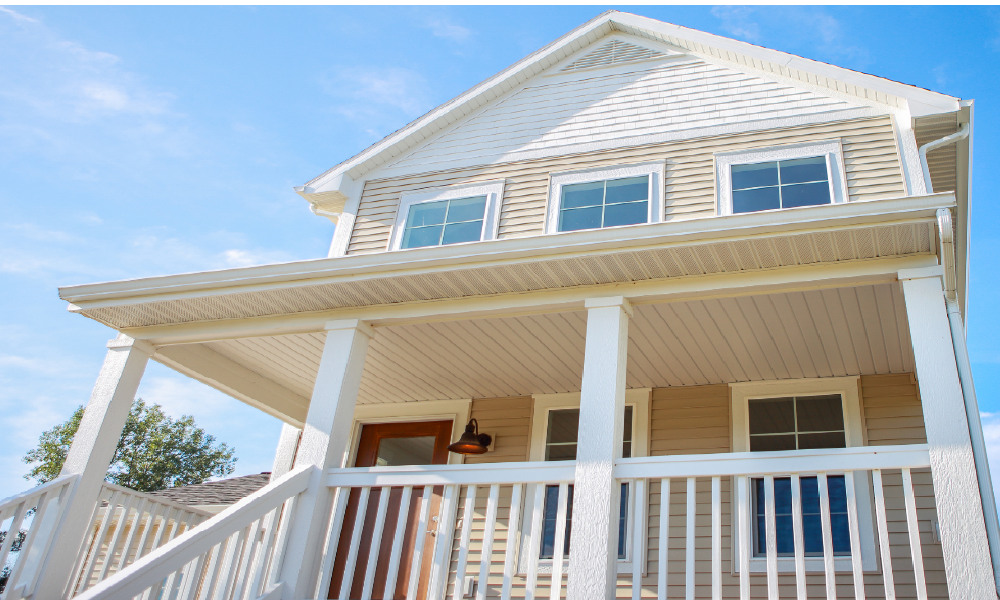
Example of soft whites and creams over stark white siding
Two-Tone Combinations & Siding Accents
It’s becoming common to see houses with two complementary siding tones — for example, main siding in a neutral colour with darker panels or boards in gables, or accent bands. Mixed siding styles (e.g. horizontal lap + board & batten) help break up large façades.
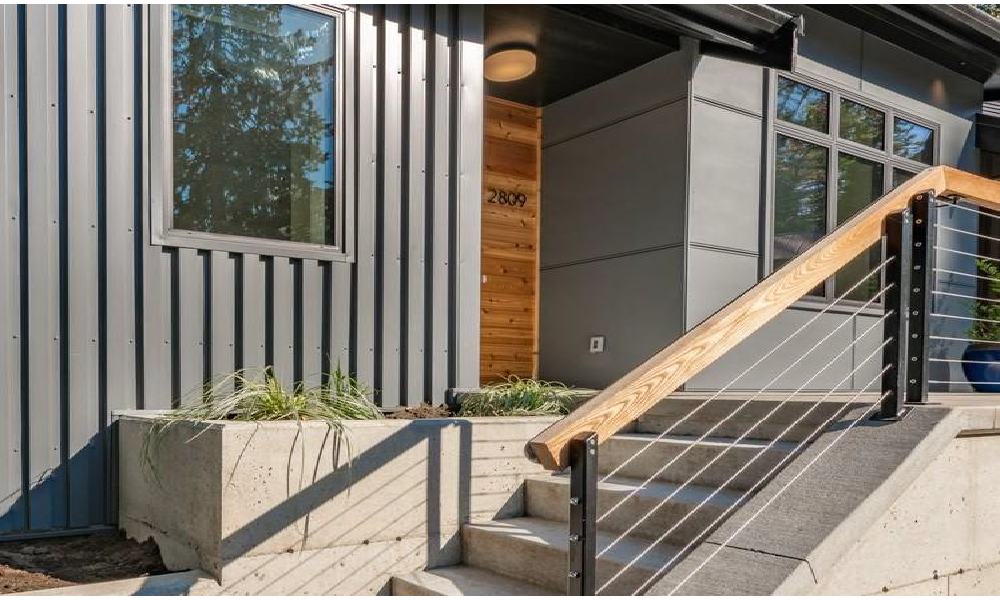
Example of two-tone combinations & siding accents
Durable & Low-Maintenance Siding Materials with Heritage Feel
Cedar and other woods are still valued for their look and feel, but more people prefer pre-finished, factory-treated versions or engineered wood to reduce maintenance. Fibre cement (like Hardie), aluminum trims, or even vinyl that mimics wood texture but resists moisture, are being used to balance look + durability
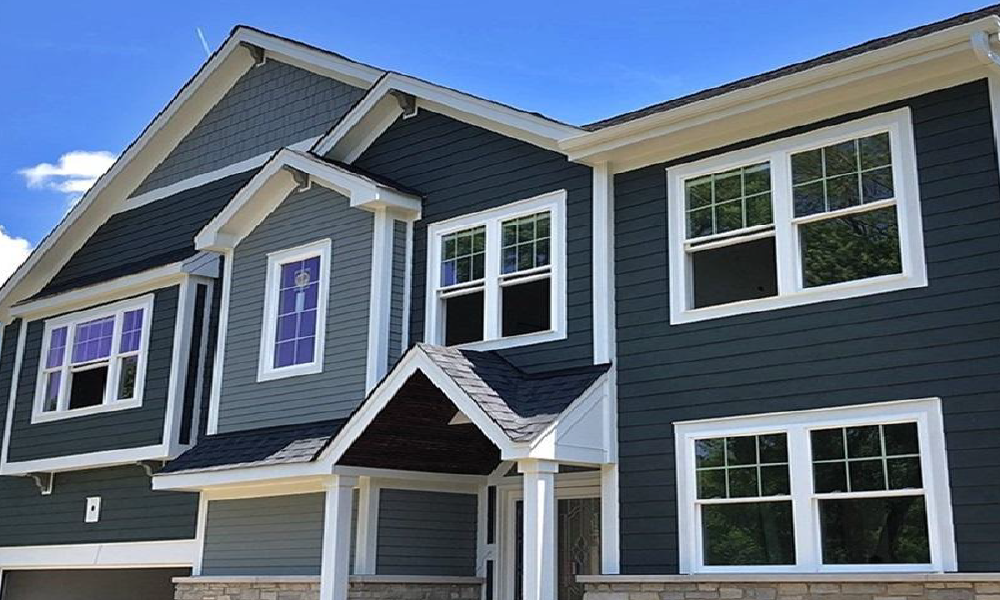
Example of durable & low-maintenance siding materials with heritage feel
Local Maritime Siding Influences
The coastal climate influences color and material choices: lighter sidings that reflect light, finishes that resist salt air, colours that are softened by frequent overcast or mist. Homes often include natural stone or stone veneer bases (foundations, lower walls) plus detailed shingles or shakes in upper portions. Also heritage style homes preserve details like shingles, decorative woodwork, etc.
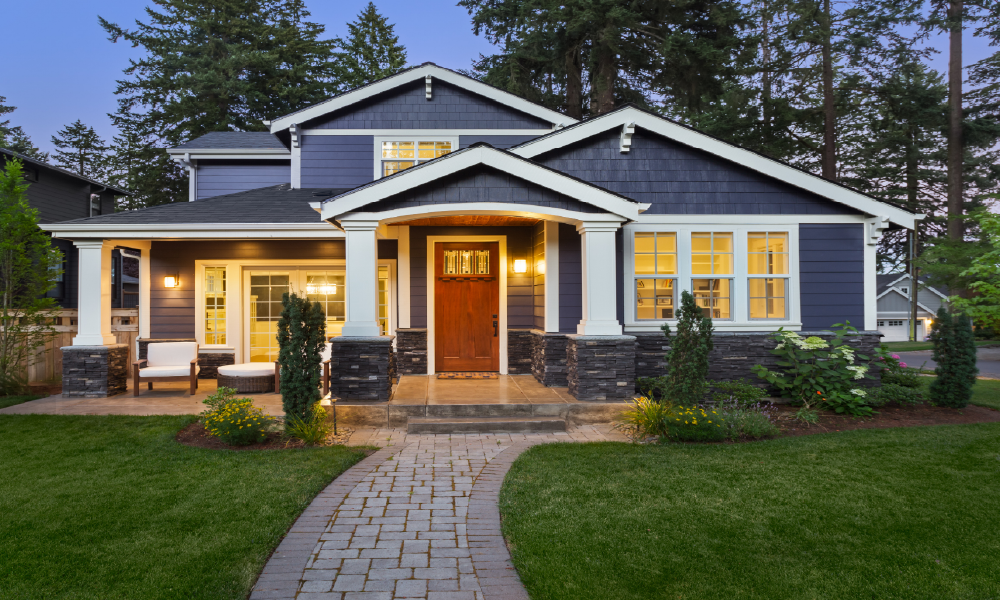
Example of local maritime siding influences